

Have you ever wondered why your business isn’t showing up at the top of Google Maps? Even though you’ve done “all the right things”? You’re not an idiot, and it’s not your fault; the advice is just outdated.
I’ve helped hundreds of small businesses jump to that #1 spot on Google Maps. Even with zero SEO experience. So contact me if you want to Rank Your Business in Google Maps.
So I’m going to walk you through the five new ranking factors that actually matter this year. Use each one to outrank your competitors without needing an expert.
Watch everything explained in detail here on my YouTube Channel
Let’s start with the one thing that can move things forward really quickly:
#1. REVIEWS
Reviews are your new online currency.
Right now, Google’s letting people leave reviews anonymously. This is huge for sensitive industries like legal, healthcare, and anything where people don’t want their name out there.
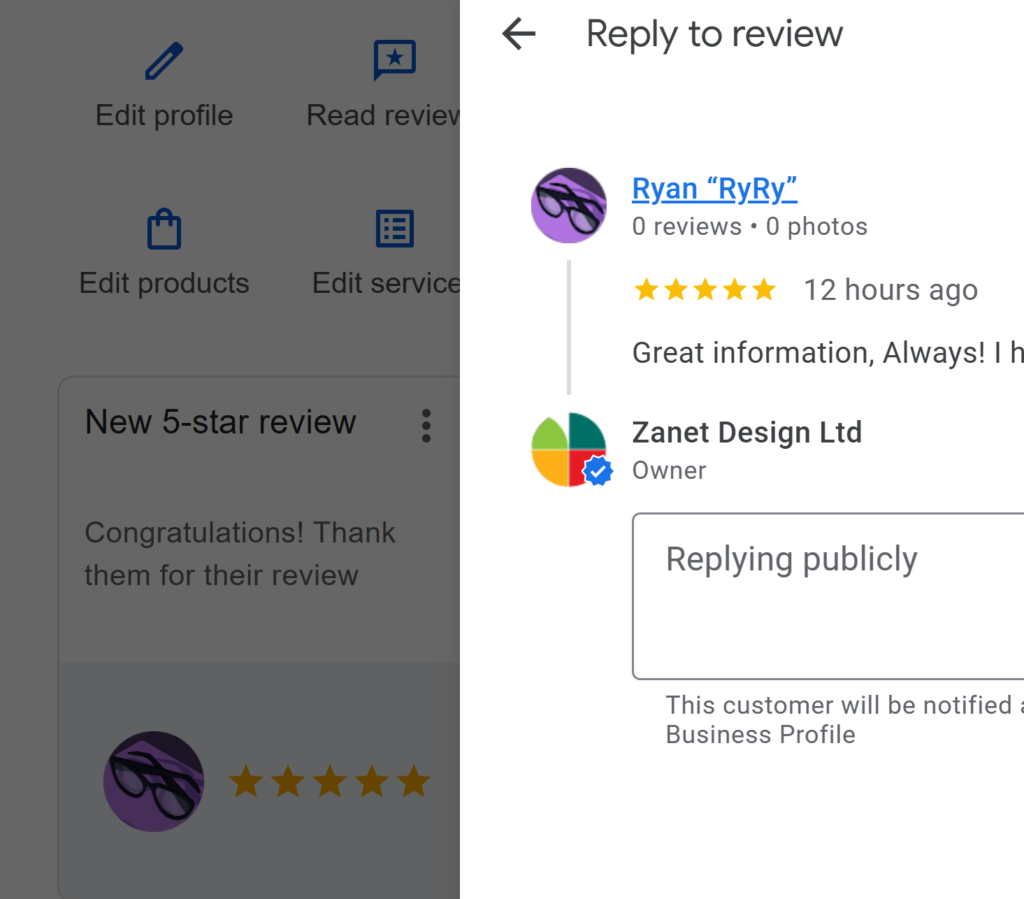
On top of that, there’s a new QR code button that makes it effortless to ask for a review on the spot—at the counter, after an appointment, at the job site.
And here’s why this matters so much: what your customers write in those reviews (not your reply) now shows up directly in AI search results and on your profile.
That language is what AI uses to decide which business to recommend.
It’s not just Google either. Sites like Yell, Yelp, and other review platforms are feeding into your overall online reputation more than ever.
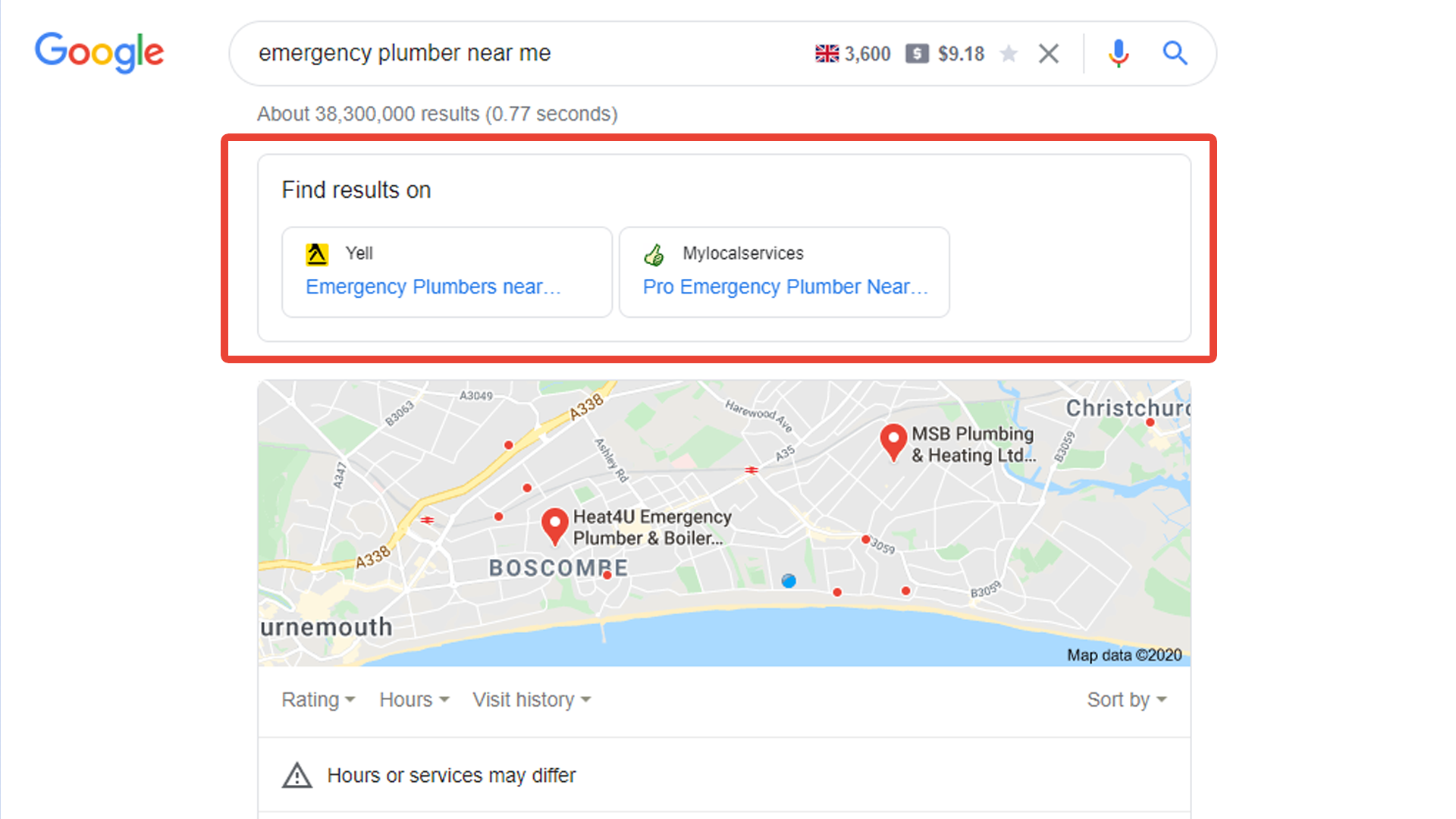
So your move here is simple:
Get honest, frequent, detailed reviews across all the major platforms. Then make it easy with QR codes, follow-up emails, and in-person asks.
That’s how you build trust fast and start climbing the map pack.
But reviews are just the start. (Here is my workshop if you need a system to get more reviews)
#2. COMPLETION
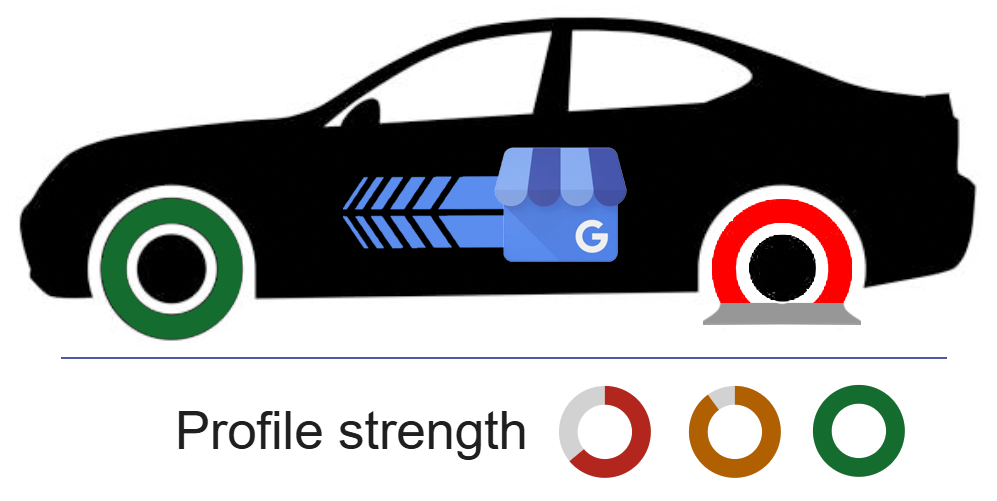
Most businesses never fully complete their Google Business Profile.
When was the last time you checked how complete yours is?
Your profile is not a “set it and forget it” thing.
Every card and every field counts—description, extra categories, up-to-date photos, holiday hours, services, products, and all the little attributes.
The more accurate and complete info you feed into Google’s database, the more confident it is about your business and the higher you tend to rank.
Once your profile is complete, you need the foundation behind it to match.
And I get it, keeping up with Google’s constant changes can feel like a full-time job.
That’s why I run a private community for local business owners where I drop daily updates and personal tips on GBP changes, because staying ahead really just means staying on top of those tweaks.
No one wants a flat tyre!
#3. WEBSITE
Your website is still the base if you want to rank your business in Google Maps
Recently, Google has been paying closer attention to your Contact page in particular.
So instead of just a basic form, it’s worth adding clear details. What like? Try adding your full business name, address, phone number, email, map, and even a short blurb about how to reach you.
Your name, address, and phone number must match exactly everywhere, especially between your website and your Google Business Profile.
If they don’t, you lose trust fast in Google’s eyes.
Once that’s sorted, grab a few strong local backlinks from local directories, partners, or associations, and you’ll boost your authority even more.
Now that your foundations are tight, it’s time to future-proof your listing for AI.
#4. AI-READY SERVICES
AI tools like Gemini and ChatGPT are analysing your content. They look to see how well your services match what real people are searching for.
Here’s how you plug into that. Go to Google, look at the“People also ask” questions for your main services, and note the exact wording people use.
Then, work those questions and phrases into your services list both on your website and inside your Google Business Profile.
That way, you don’t just show up in “old-school” search results. You also show up in AI answers, chatbots, and all the new AI-driven tools that are recommending local businesses.
But AI isn’t just reading your services list, it’s looking at your content too so it can confidently rank your business in Google Maps.
#5. AI-READY CONTENT
If you’re posting real photos, and genuine before-and-afters from actual customers, AI can pick up on that authenticity.
That’s what separates you from competitors who rely on stock photos or generic AI-generated content.
Remember, AI can fake a lot of things.
But it can’t fake reviews, real conversations, and original photos or clips of your actual work.
That’s exactly what your next customer, and Google, want to see.
So if you focus on these five things:
reviews, profile completion, a trustworthy website, AI-ready services, and authentic content…
You give yourself the best shot at that #1 spot on Google Maps in 2026, without needing to become an SEO expert.